
Gorse flowers
Nigel Borrington
Gorse flowers in the Irish Landscape
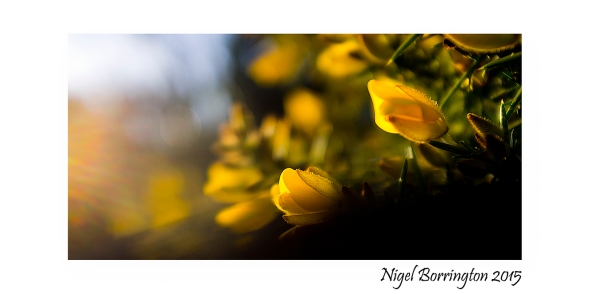
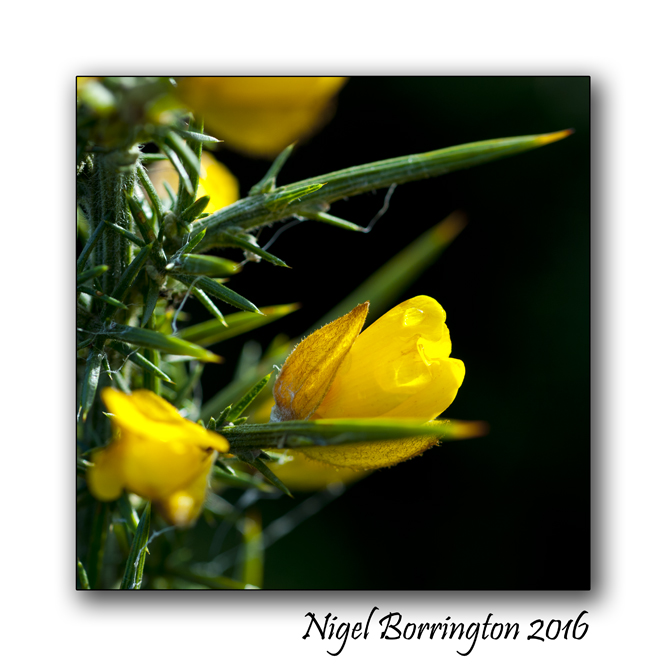
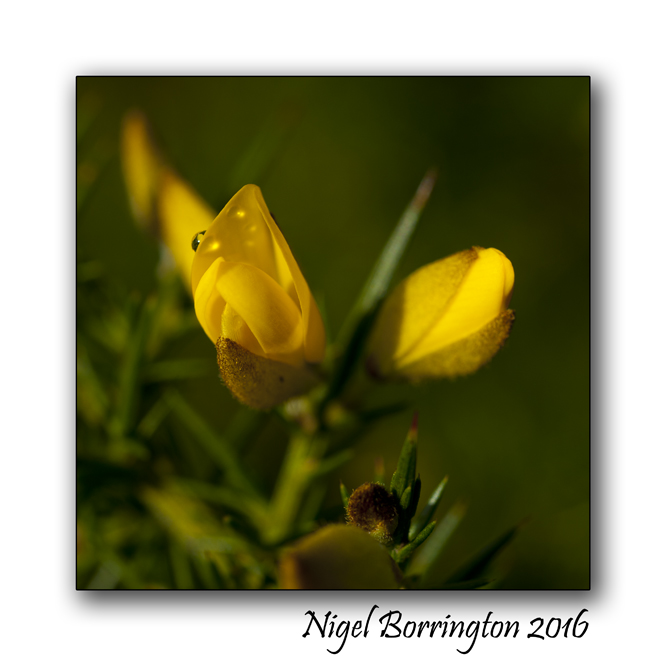
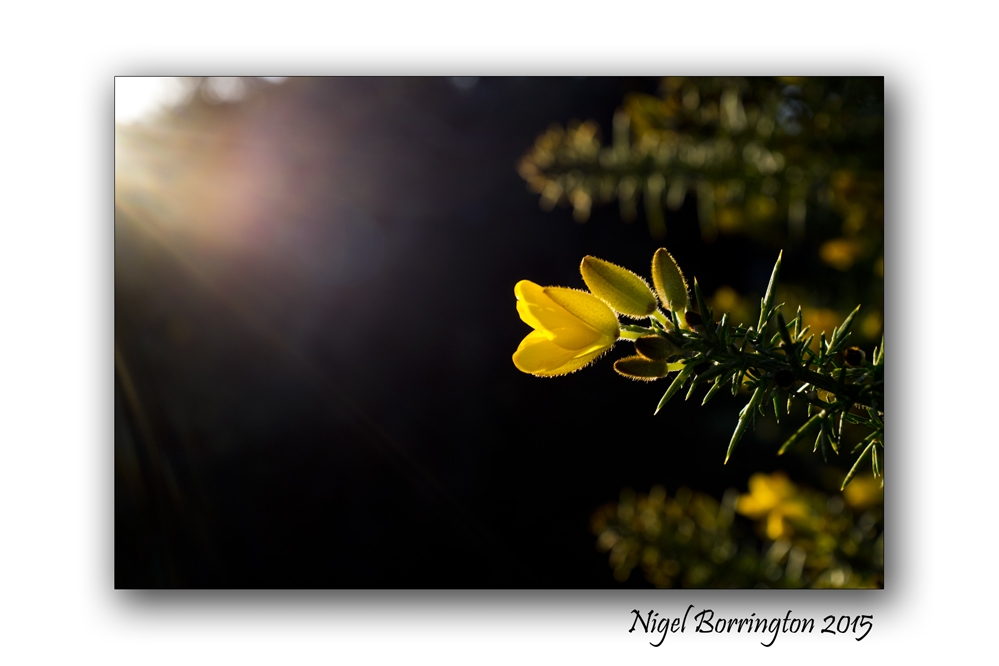
Gorse is very common here in county Kilkenny but this does not make it any less loved by many, as it flowers in springtime. Many of the hills sides and woodland areas come to life with their yellow flowers.
Gorse, also known as furze, is a sweet scented, yellow flowered, spiny evergreen shrub that flowers all year round.
In fact, there are several species of gorse that flower at different times of the year making it a much-loved plant for the bees and giving it the appearance of being in bloom all year long. There is an old saying that goes, “When the gorse is out of bloom, kissing is out of season.”

Gorse is often associated with love and fertility. It was for this reason that a sprig of gorse was traditionally added to a bride’s bouquet and gorse torches were ritually burned around livestock to protect against sterility. However, one should never give gorse flowers to another as a gift for it is unlucky for both the giver and receiver.
.
Beltane bonfires
Gorse wood was used as very effective tinder. It has a high oil content which means it burns at a similar high temperature to charcoal. The ashes of the burnt gorse were high in alkali and used to make soap when mixed with animal fat.
Onn, meaning gorse, is the 17th letter of the ogham alphabet. It equates to the English letter O.
In Celtic tradition, gorse was one of the sacred woods burned on the Beltane bonfires, probably the one that got them started. It was a shrub associated with the spring equinox and the Celtic god of light, Lugh, doubtlessly because of its ever blooming vibrant yellow flowers.
In Brittany, the Celtic summer festival of Lughnastdagh, named after the god, was known as the Festival of Golden Gorse.

Flowers used in wine and whiskey
The flowers have a distinct vanilla-coconut aroma and are edible with an almond-like taste. They can be eaten raw on salads or pickled like capers. They have also been used to make wine and to add colour and flavour to Irish whiskey. However, consuming the flowers in great numbers can cause an upset stomach due to the alkalis they contain.
The prickly nature of gorse gave it a protective reputation, specifically around livestock. As well as providing an effective hedgerow, gorse made an acceptable flea repellent and the plant was often milled to make animal fodder.
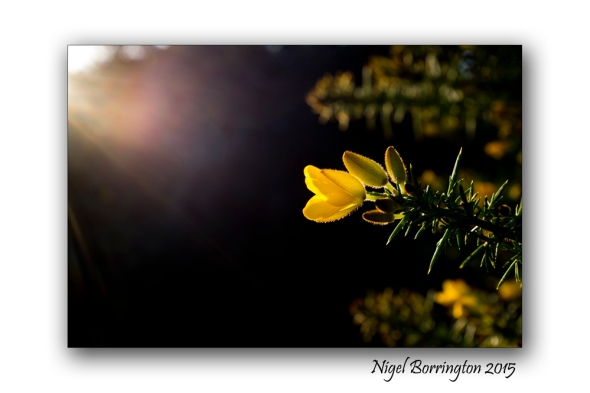
Irish Gorse flowers
Nigel Borrington
Gorse in Irish Culture
Gorse is the 15th letter of the Gaelic tree alphabet, representing O. Its old Gaelic name was Onn, and in modern Gaelic it is conasg. It’s a prickly shrub, which can almost always be found in flower somewhere, all twelve months of the year, and this means it has many positive connotations in folklore.
Snippets of lore
Here are the titbits of fact and folklore about pine tweeted by @cybercrofter on 15 December 2011.
Gorse is the 14th letter of the Gaelic tree alphabet, for O – in old Gaelic it was onn or oir (gold). In Modern Gaelic it’s conasg.
Conasg (Gaelic for gorse) means prickly or armed, appropriately enough as it’s the spiniest plant around.
As gorse’s branches, twigs and leaves are all spiny, which reduces water loss, it can survive extreme exposure to wind and salt.
Other regional names for gorse are whin or furze. In latin, it’s Ulex europaeus.
Here’s a lovely short Harry Rutherford poem about gorse. http://heracliteanfire.net/2009/01/26/poem/
Gorse bears yellow flowers all year round, and as they say, ‘When gorse is in bloom, kissing is in season.’
Gorse is a symbol of the sun god Lugh, as it carries a spark of sun all year.
Bees love gorse and it’s a good source of food for them on warm winter days and in early spring.
In late spring, gorse flowers smell of coconut and vanilla.
Here’s a poem from me, The Gorse is out behind Glencanisp. Audio too. http://www.pankmagazine.com/the-gorse-is-out-behind-glencanisp/
A decoction of gorse flowers counters jaundice.
Gorse seed pods explode in hot sun.
Gorse fixes nitrogen due to symbiosis with a bacterium in the roots.
Horses that eat gorse don’t catch colds (but presumably end up with perforated gums…)
The fierce fire of furze is ideal for baking.
Gorse boughs were used for creel-making. Ouch.
Gorse is a good windbreak and a gorse bush is the best place to dry washing – it naturally pins it in place.
A bundle of gorse is excellent for sweeping chimneys.
Here’s a recipe for gorse flower wine. http://www.celtnet.org.uk/recipes/brewing/fetch-recipe.php?rid=gorse-flower-wine
Gorse flowers give yellow and green dyes.
Gorse bark gives a dark green dye. Add a bucket of urine and wait 3 hours.
Yellowed gorse, a poem by Fay Slimm http://www.poemhunter.com/poem/yellowed-gorse/
A missing home gorse poem, by Francis Duggan http://www.poemhunter.com/poem/i-d-love-to-see-the-gorse-in-bloom/
Gorse lifts the spirits of the downhearted, and restores faith.
Festival of the Golden Gorse is celebrated on 1 August (Lughnasa).
Gorse protects against witches.
Gorse’s magic is good for bringing a piece of work, a project, a relationship or a troublesome thing to a complete and final end.
Gorse symbolises joy.
Remember the nitrogen-fixing? Grow gorse for 7 years and the ground will be excellent for corn.
In 1778 a gorse crushing mill was set up in Perth. One acre of crushed gorse bushes will keep 6 horses in fodder for 4 months.
Bring gorse into the house in May to ‘bring in the summer’.
Giving someone gorse flowers is unlucky, for both giver and receiver. Best keep them for yourself!













 Nigel Borrington
Irish Lighthouses – St John’s Point Lighthouse, Donegal
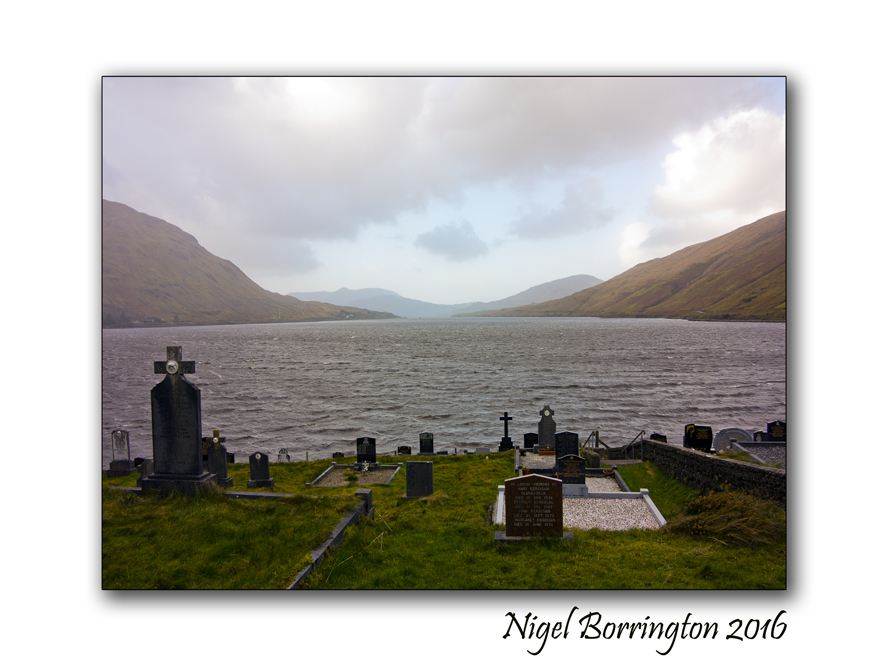
I have been spending a little time each evening this week sorting through by Landscape images of Ireland, it’s been a great exercise to do and has reminded be of so many of the great locations I have visited here in this great country.
I have always keep a special place in my mind and memories for the many Lighthouses I have been to visit, from the south coast to the very north of the country, like The lighthouse below, which I posted about sometime back 🙂
St John’s Point Lighthouse, Donegal
Last week I changed my blog header to an image of St, Johns Point Lighthouse in county Donegal, so I though I would just share some details about this great place.
Its an amazing lighthouse at the mouth of Donegal bay and like many Lighthouses it was build through hard work and taking a risk with time and money, followed with many years of hard work and care in order to keep it running so that many lives could be saved.
Some History
From the Commissioners of Irish Lights
This is a harbour light used to guide from Donegal Bay, it marks the north side of the bay leading to Killybegs Harbour from the entrance up to Rotten Island.
The Corporation for Preserving and Improving the Port of Dublin (the Ballast Board) received a request on 24 February 1825 signed by merchants and traders of Killybegs requesting a light on St John’s Point. This was not approved until April 1829, and Trinity House gave their statutory sanction the following month.
The tower, built of cut granite, was designed by the Board’s Inspector of Works and Inspector of Lighthouses, George Halpin, and erected by the Board’s workmen under Halpin’s supervision.
The tower, painted white, had a first order catoptric fixed light 98 feet above high water with a visibility in clear weather of 14 miles. The light was first used on 4 November 1831 with the buildings in an uncompleted state. The final cost at the end of 1833 was £10,507.8.5.
Gallery
A Lighthouse Poem
By : Ashley Rose
The stone facade bound into the coarse rock,
Signaling, sending, and saving,
Streaks of light alluring threat to vessels.
Like flare of alert, warning of an ominous havoc.
Sending waves of whispering light into the mute air,
Advising all to depart back to the watchful sea.
The light reflects on the storm driven oceans,
tracing the surface with an inkling of caution,
a lighthouse, beacon of hope.
The tides swoosh against the jagged cliff,
where tattered remains of a ship remain.
The waves roar as a dull overcast envelopes the sky.
The lighthouse’s beams echo off a ship,
leading the wandering adrift to safer waters,
as a guide to shelter.
Share this:
Posted by nigel borrington | April 28, 2016 | Categories: Comment, Gallery, Landscape, Nigel Borrington, Poetry Gallery, Travel Locations | Tags: Ashley Rose, County Donegal Irish Landscape, Donegal, Irish photography, Lighthouses, Nigel Borrington, poem, poetry, St johns point | 3 Comments