Capturing the world with Photography, Painting and Drawing

Latest

Security – A Poem by : William Stafford

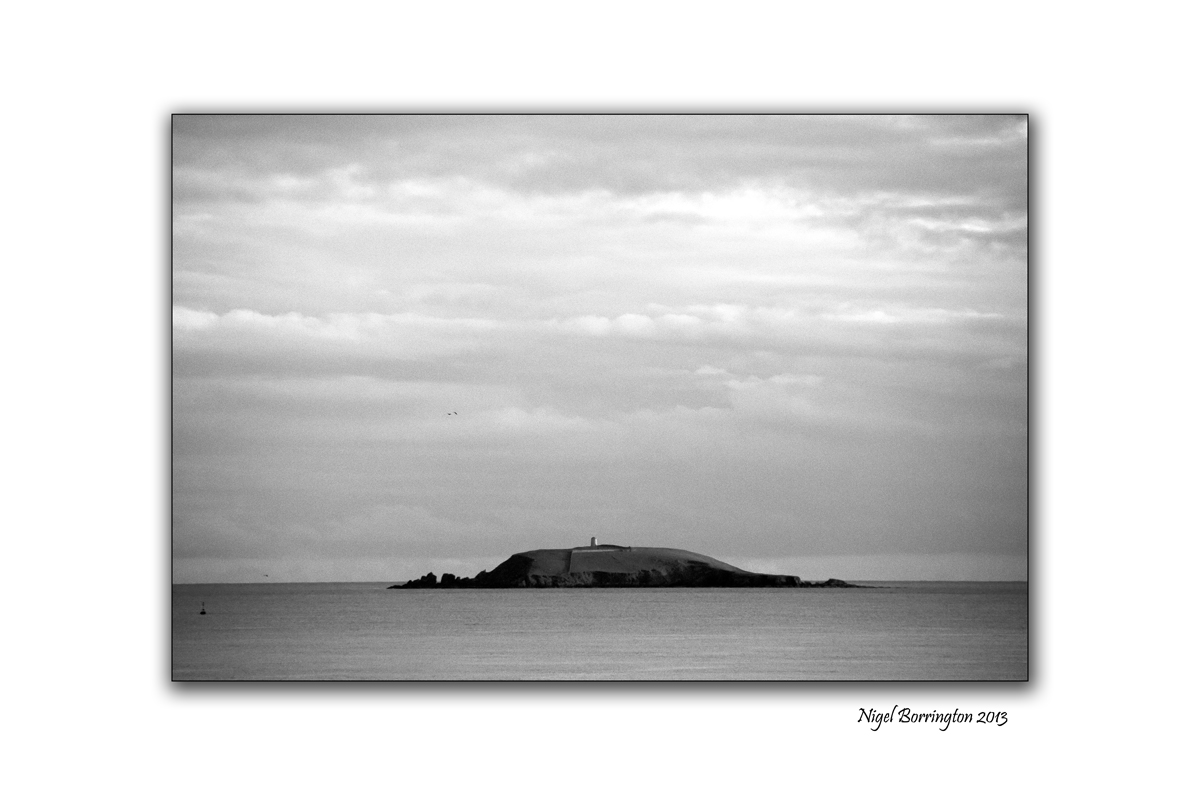
The island county cork
Nikon D700, 200mm focus length, iso 200
The Island off Ballymacoda, county cork, Ireland
Irish Landscape photography : Nigel Borrington

Security

Tomorrow will have an island. Before night
I always find it. Then on to the next island.
These places hidden in the day separate
and come forward if you beckon.
But you have to know they are there before they exist.

Some time there will be a tomorrow without any island.
So far, I haven’t let that happen, but after
I’m gone others may become faithless and careless.
Before them will tumble the wide unbroken sea,
and without any hope they will stare at the horizon.

So to you, Friend, I confide my secret:
to be a discoverer you hold close whatever
you find, and after a while you decide
what it is. Then, secure in where you have been,
you turn to the open sea and let go.

William Stafford

Merge – (a poem by : Kadambari Kashyap)

Merge
Sigma Sd15, 18-50 f2.8 lens, iso 50
Spirit of place, public sculpture, County Kilkenny
Photography by : Nigel Borrington

Poem By : Kadambari Kashyap.

When our spirits merge…
I or You won’t be there anymore,
But us.

There won’t be anyone talking,
Rather our souls would sing in
Ecstatic harmony.
In a language unknown.

When our spirits merge
There will be nothing left
But we will burn
As the sun and stars do every moment.

When our spirits merge
All things will come to an end
But to start again.
In a new form
In a new desire…

And as we make way for something new
In our sweet surrender
To each other
we will be healed
healed of the entire past
of me, you and the rest…

In that surrender, something
Will be on fire, death will inevitably
Consume it.
And soon after that
Divine creativity will bloom out
When our spirits will burn and merge.

Day of the – Rhododendrons

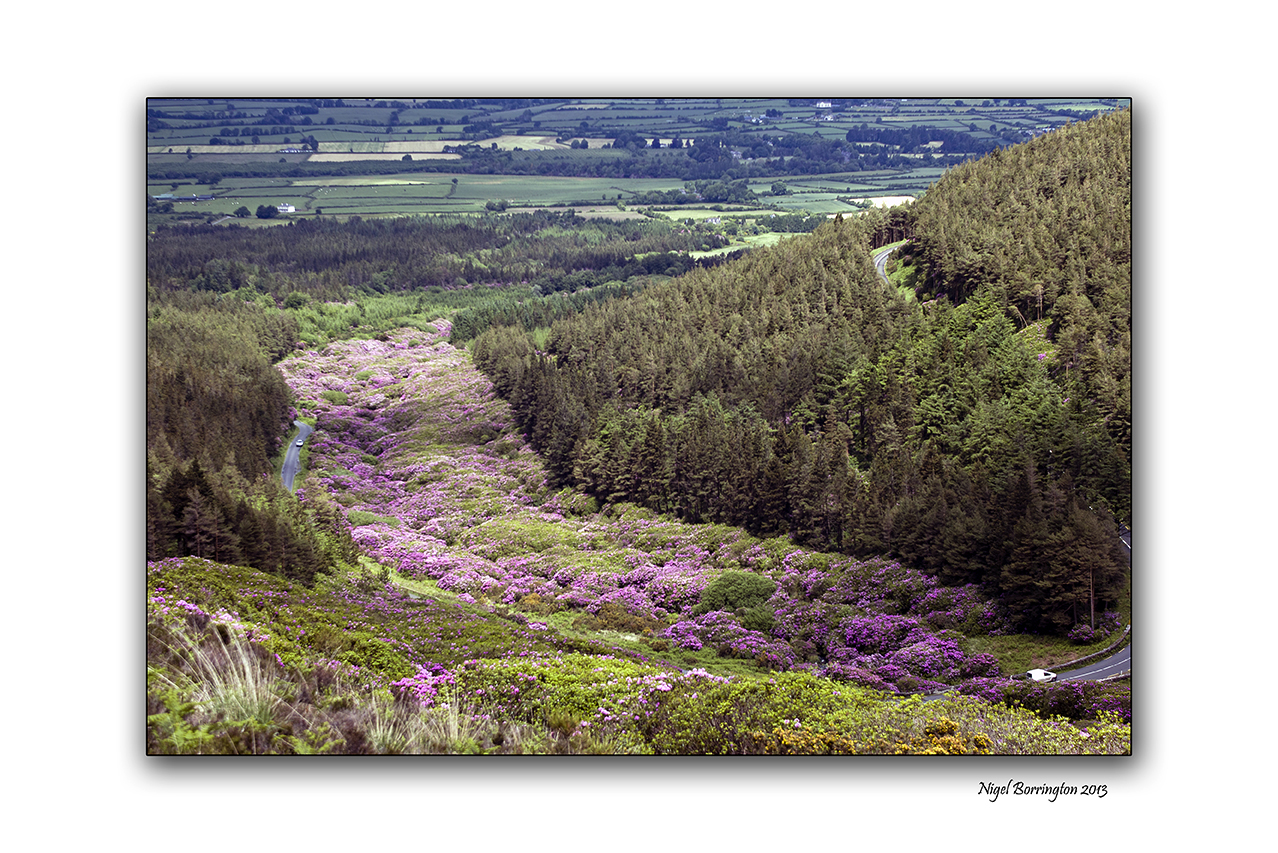
When Rhododendron Bloom at the Vee 3

The Vee – County Tipperary

Arial shot of the Vee

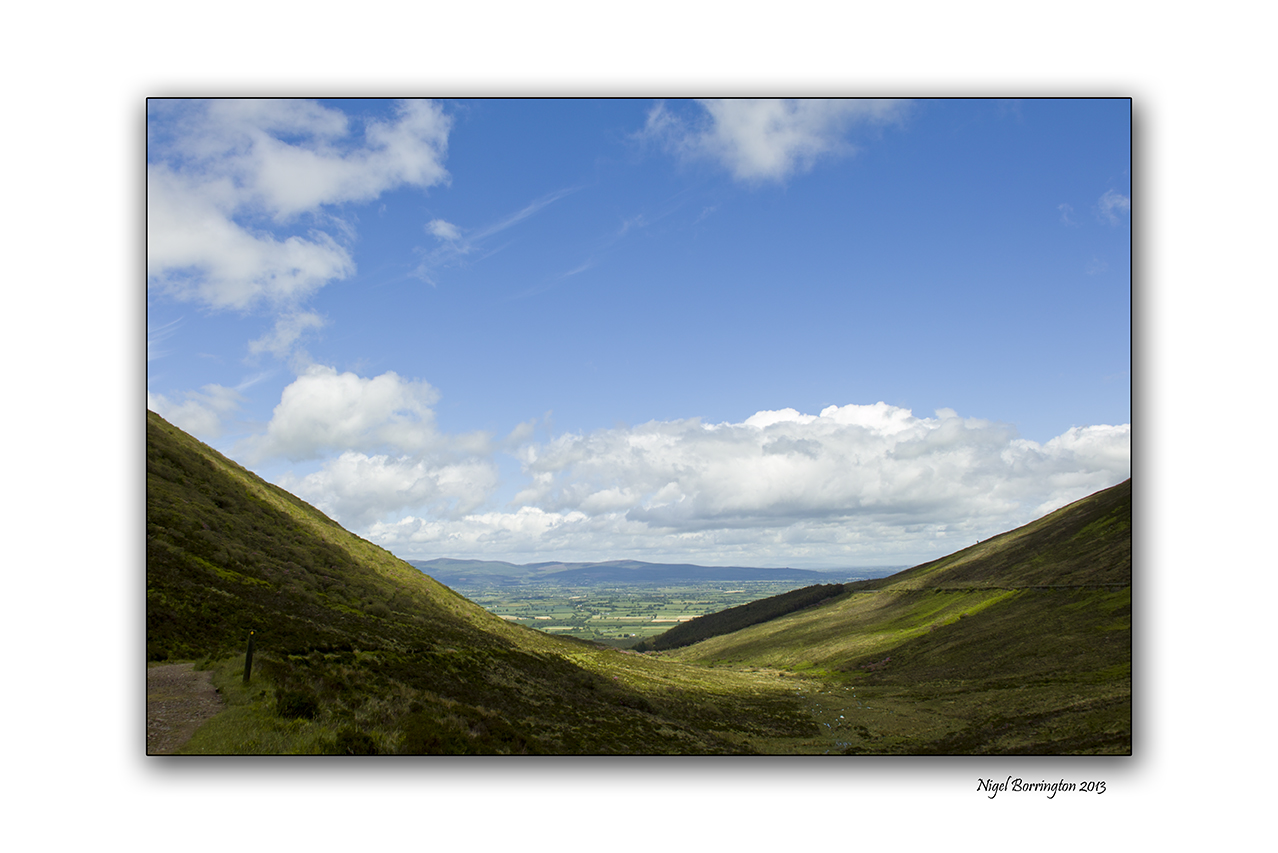
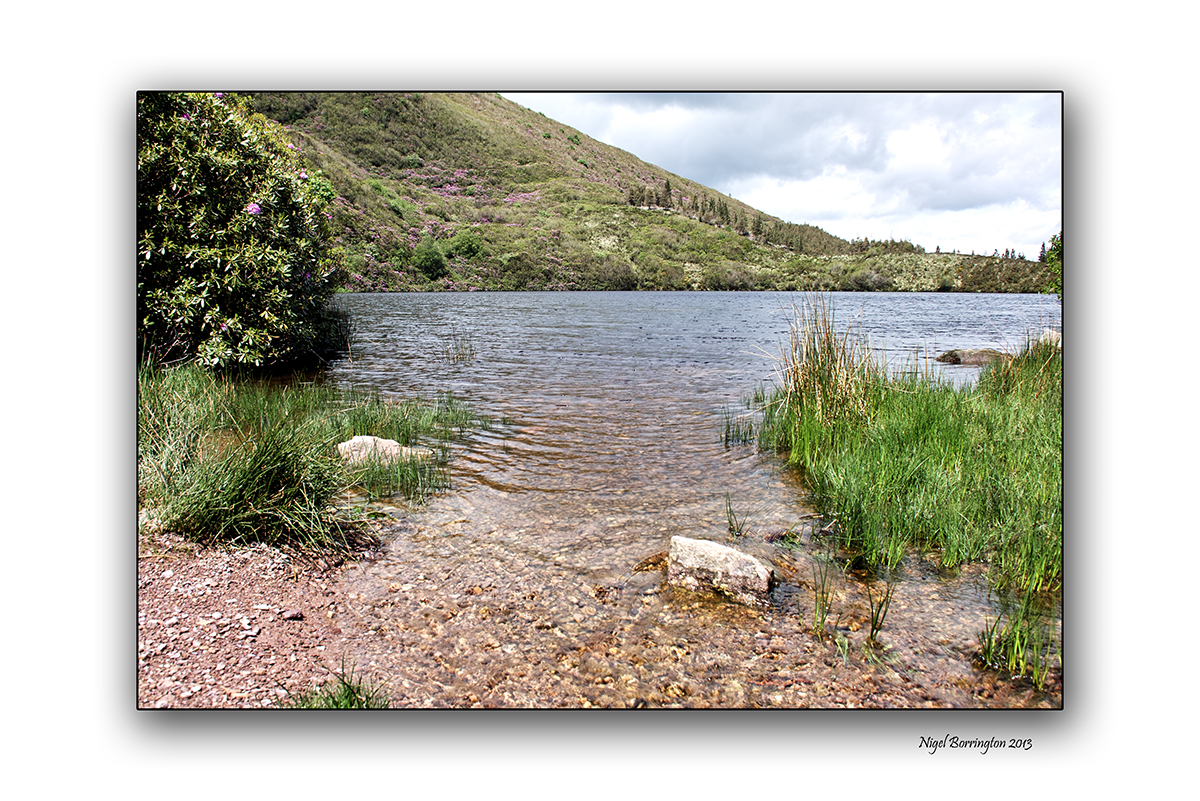
The Vee in county Tipperary is one of Ireland most visited landscape locations. ‘The Vee’ refers to a V-shaped valley in the Knockmealdown mountains. Formed in the ice age the Vee itself is on the Sugar Loaf mountain , and forms a pass from Tipperary to Waterford between Knockaunabulloga (on which you will find Bay Lough) and the Sugar Loaf mountain.

The Vee is predominantly famous because of the breathtaking panoramic views afforded to travellers and sight seers going through the pass. The journey rises to about 2,000 feet (610m) above sea level above Bay Lough, and as it does so it gives wonderful views of a portion of the ‘Golden Vale’ between the Knockmealdown and Galtee Mountain Ranges.

On a clear day (or night) the Vee affords views along and across the valley to Clonmel, Cahir, Ardfinnan, Clogheen, Ballyporeen and even Cashel. You can also see the Galtee Mountains across the valley, the Comeragh Mountains along the valley and Slievenamon, behind Clonmel, quite clearly.

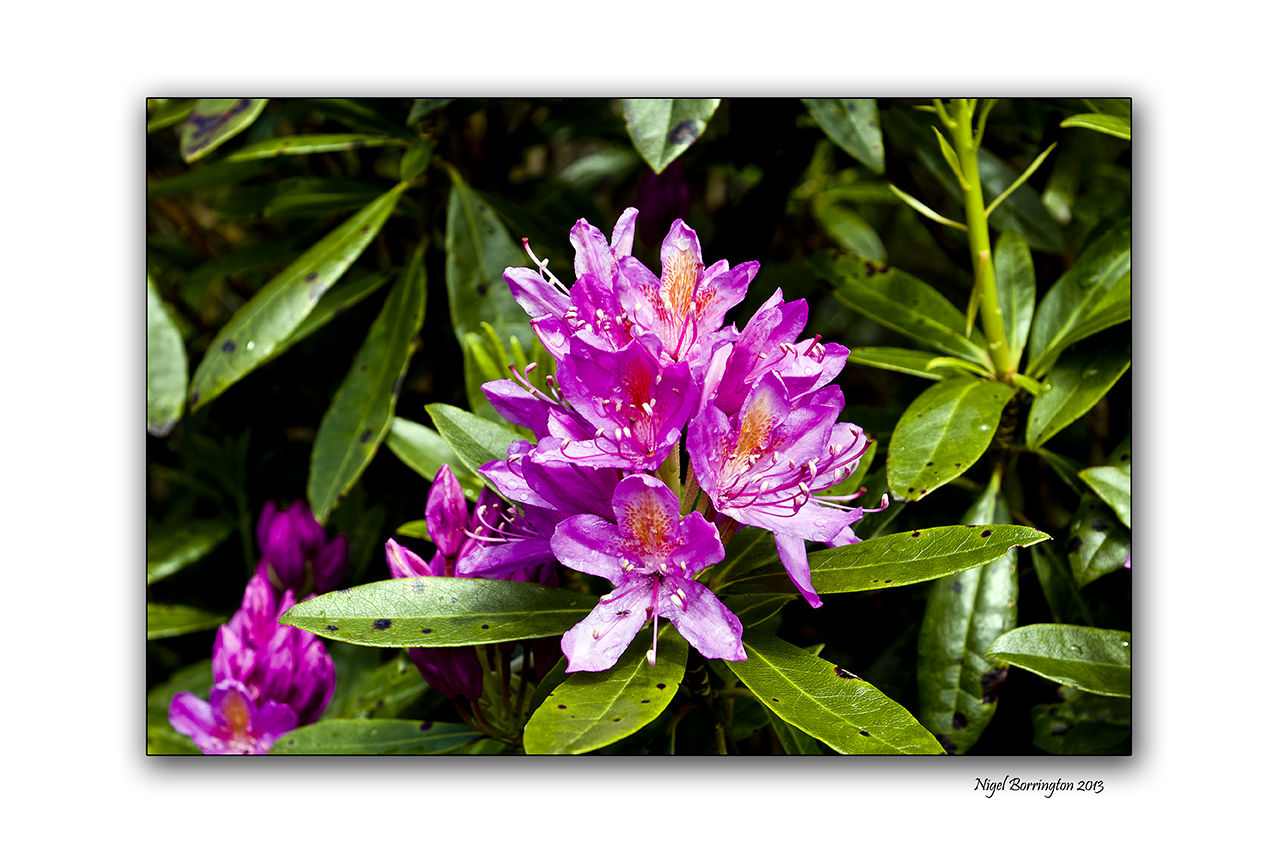
Each June however the entire area is covered in the bright pinks of Rhododendron flowers, I visited the area on Saturday just to photograph this event taking place, in the wild this plant is incredibly invasive and as you can see from these images has become the overwhelming feature the the entire area.

When Rhododendron Bloom at the Vee 6

Rhododendron ponticum, in Ireland

This web site decribes Rhododendrons as an invasive species and for good reason.

Habitat: Mixed deciduous forest. Temperate heaths. Raised and blanket bogs.

Description: This species was first introduced to parks, gardens, and demesnes in Britain and Ireland in the 1700’s. Rhododendron ponticum is readily recognised by its distinctive attractive flowers and large dark green coloured, oval leaves. It can grow quite tall with specimens regularly attaining 8 m.

When Rhododendron Bloom at the Vee 101

Origin and Distribution: The species is native to both Europe and Asia. It is believed that the current populations of Rhododendron in Ireland have been introduced from material taken from both the Iberian Peninsula populations and the Asian populations of this species. Rhododendron has a complex history.

Impacts: Rhododendron can from very dense thickets and out-compete native plants for space and resources, especially for sunlight. Other impacts on fish and invertebrate communities have been recorded. Rhododendron can also prevent access to sites by the shear mass of plant material blocking paths and right of way.

How did it get here? Natural dispersal by seed and vegetative means and planted by people.

Where is it found in Ireland? Planted in gardens, parks and demesnes.

Prevent Spread

Import only clean soil from known source
Ensure all vehicles and equipment are cleaned to avoid cross contamination.
Be aware of the threat of colonisation from upstream areas washing Japanese knotweed material downstream.
Promote native species and biodiversity – use alternative, native plants
Know what you are buying/growing and source native Irish seed and plants
Do not swap plants and cuttings
Clean plants before adding to ponds (dispose of water away from water courses)
Never collect plants from the wild
Safe disposal of plant material and growing media

In the aerial photograph above, the Rhododendrons show as the lighter green area in the middle of the image and rise the full hight of the mountain on the left of Bay Lough and follow the flow of the river that flows from the lough down the valley and into the woods below.

From a personal stand point, each June it is a wonderful site to see, many Tourists visit the area during this period just to take in the views it offers, however it is a little overwhelming to witness the extent this plant has taken over the mountains in this part of county Tipperary. When you take into account that it was only introduced in the 1700’s as a decorative plant into a local garden in the valley below.

Image Gallery

When Rhododendron Bloom at the Vee 101

When Rhododendron Bloom at the Vee 200

When Rhododendron Bloom at the Vee 12

When Rhododendron Bloom at the Vee 11

When Rhododendron Bloom at the Vee 102

When Rhododendron Bloom at the Vee 9

When Rhododendron Bloom at the Vee 8

When Rhododendron Bloom at the Vee 7

When Rhododendron Bloom at the Vee 6

When Rhododendron Bloom at the Vee 5

When Rhododendron Bloom at the Vee 4

When Rhododendron Bloom at the Vee 100

When Rhododendron Bloom at the Vee 3

When Rhododendron Bloom at the Vee 2

When Rhododendron Bloom at the Vee 1

All images taken using a Nikon D7000
Irish landscape photography : Nigel Borrington
The Vee, County Tipperary

This old green country lane (Poem) – Knockmealdowns

Memories On A Country Lane
Nikon D7000, 18-200mm lens, iso200
Green lane in the Knockmealdowns
Irish landscape photography : Nigel Borrington

Only the Country Lane Will Weep

by adgray

I wander down the country lane
my old dog by my side
and I whistle merrily a tune
of how the view is wide

There are no hedgerows to crowd me in
or branches to block the sky
they’d have to use machinery
to bury me when I die

So don’t bother breaking your backs for me
I’d rather blow around with ease
just add what little goodness left
across the land upon the breeze

For this is where my heart is
this is my back yard
I’ve roamed it all my adult life
to leave it would be hard

No city house and airs for me
my graces rough and ready made
So lay me not in a neat little row
let my spirit fly and fade

I hitch my swag a little easier
and hunker to scratch his head
the billy boils as I wait with him
and then we both to bed

The stars sing lullaby’s to us
the wind sweeps us softly as we sleep
No debts no bills to leave behind
only the country lane will weep

Its the weekend so……

Its the weekend so find a river bank
Nikon D7000, 18-200mm vr II lens, iso 200
River Barrow walks, Co Kilkenny
Irish Landscape photography : Nigel Borrington

Its the weekend so why not find a river bank and go for a walk, relax and take in the views…….

Its the weekend so find a river bank for a walk
Nikon D7000, 18-200mm vr II lens, iso 200
River Barrow walks, Co Kilkenny
Irish Landscape photography : Nigel Borrington

Red damselfly, on the banks of the river Barrow, co.Kilkenny

red damselfly on the banks of the Barrow 1
Nikon D7000, 85mm Focus length, iso 200
red damselfly resting, Banks of the River Barrow, Co.Kilkenny
Irish nature Photography by : Nigel Borrington

Walking along a river bank at this time of year you should always have your camera with you, all kinds of insects are out and about. Just brushing past the long grasses brings up the Dragon fly and the damselfly, you have to move very slowly to get them but it’s well worth the effort.

I managed to get this shot along with some others, I will post more of them over the next few day or so.

Flowers on the river bank

flowers from the river bank 1
Nikon D7000, 85mm focus length, iso 200
Flowers on the banks of the River Barrow, Co.Kilkenny
Kilkenny photography, Nigel Borrington

I took this image yesterday, while walking along the banks of the river Barrow here in County Kilkenny. There had been a shower just before I got out of the car but the weather and the temperature afterwards was like a head wave for Ireland !

Summer Holidays

A place in the sun 4

Its Summer time and a lot of peoples minds are turning towards holidays.

Just in case its still a few weeks away I am posting some images I took in Spain on holiday last year. I hope they help transport your mind to warm and relaxing days off!

spain may 2012 1

spain may 2010 321

A place in the sun 2

A place in the sun 1

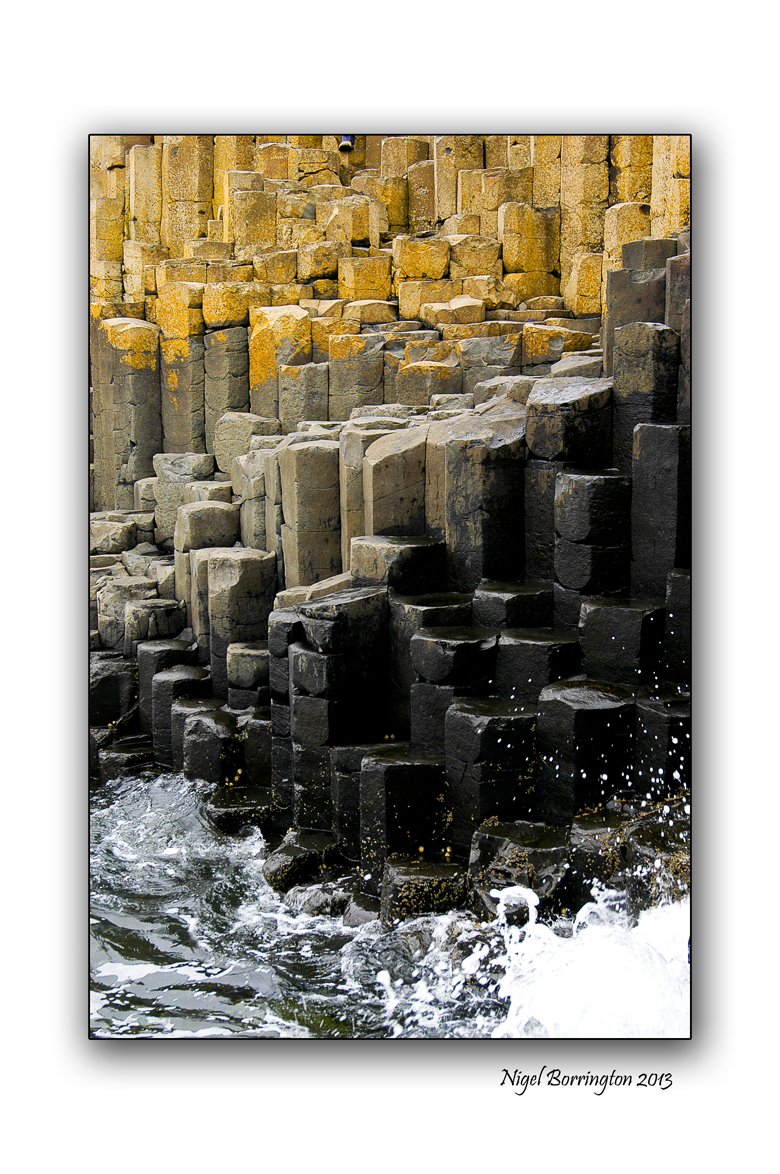
The giants causeway

Geology and Myth

Giants causeway formations 1

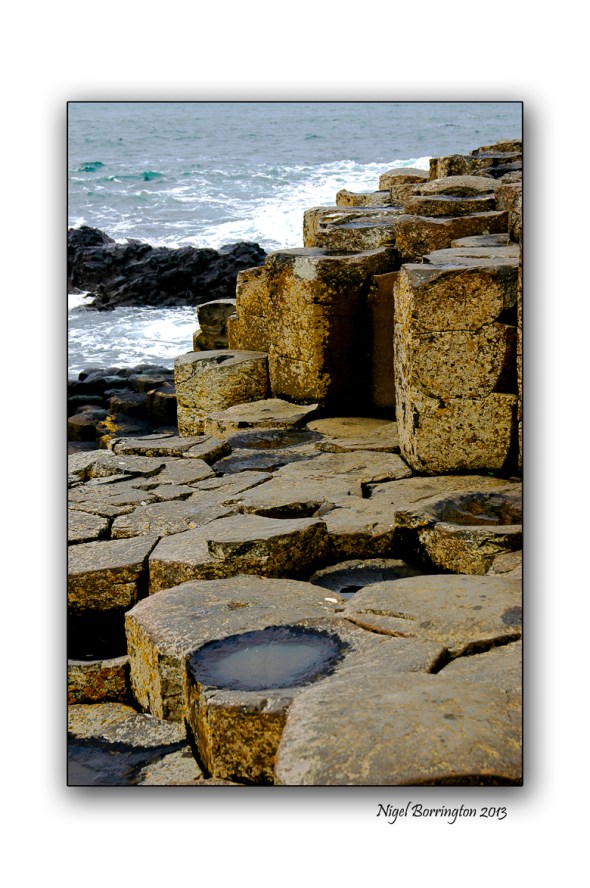
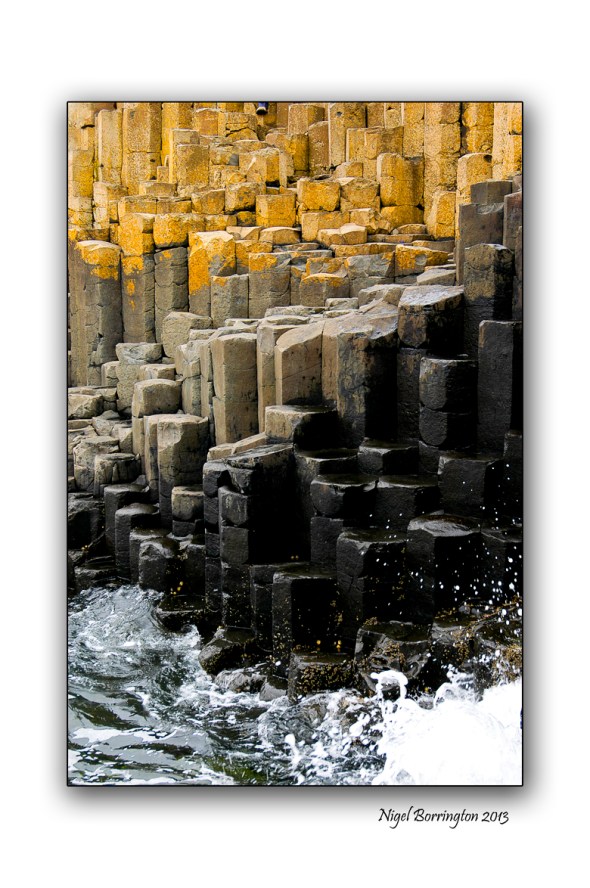
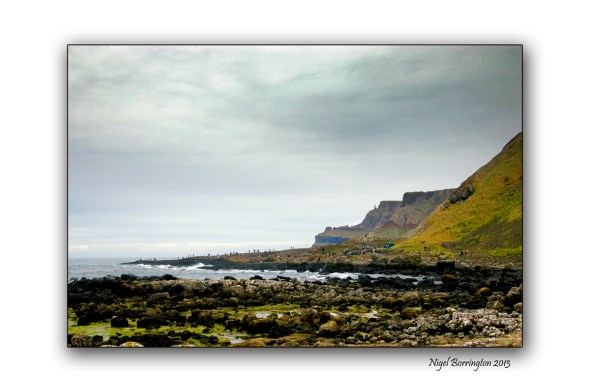
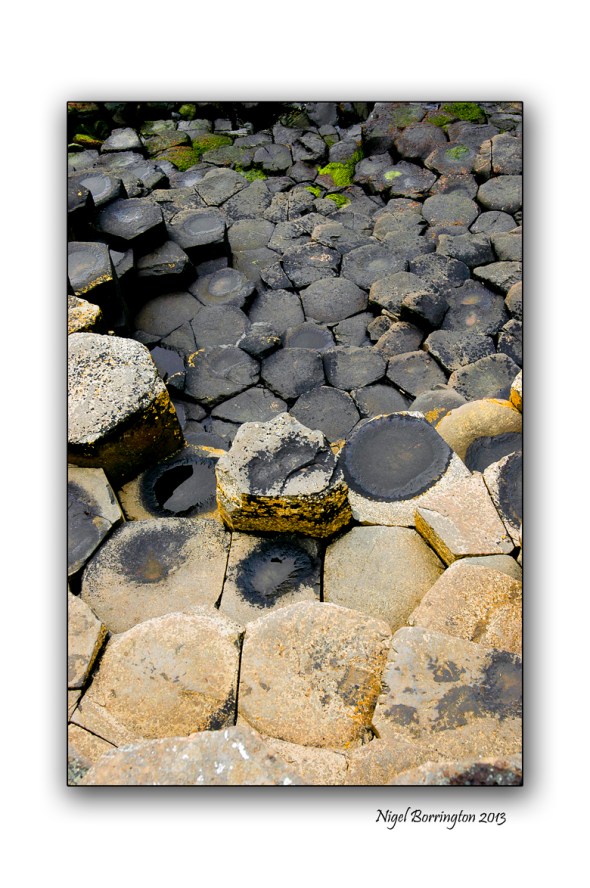
It was on a very wet October morning that we arrived at the giants causeway, its located just outside of the town of Bushmills, county Antrim, on the north Irish coast.

Its a national trust site so you have to pay a fee to get in to the area. Its a small walk from the visitors center to the causeway itself but its well worth it.

This is both a magical and mythical location and one of the worlds most geologically fascinating places.

I took the following images on the day and even though it was very wet and dull I think they get across the feeling you have when your walking around this site. I have added some information as the the geology and the myth’s associated with this truly wonderful place.
Giants causeway landscape

The Geology of the causeway

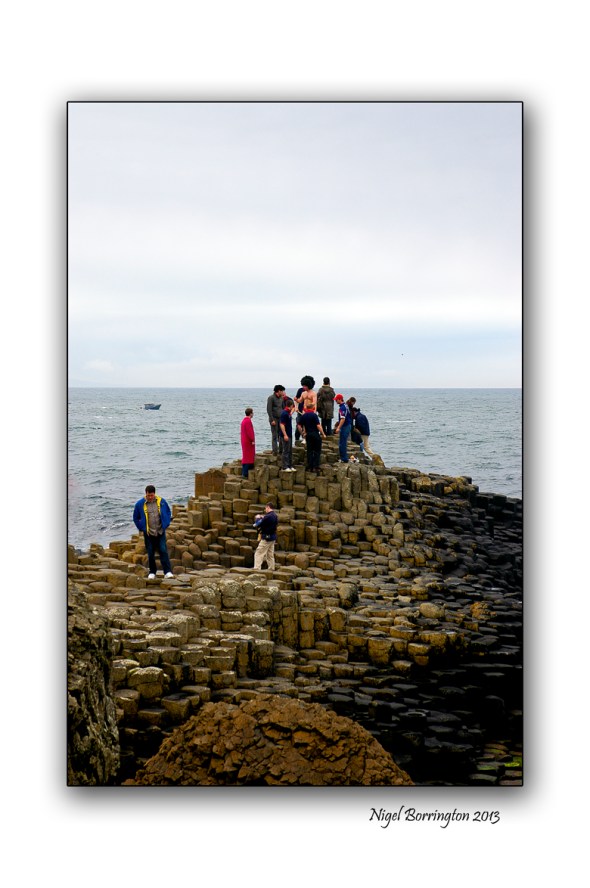
Giant’s Causeway, ( Irish: Clochán an Aifir) promontory of basalt columns along 4 miles (6 km) of the northern coast of Northern Ireland. It lies on the edge of the Antrim plateau between Causeway Head and Benbane Head, some 25 miles (40 km) northeast of Derry. There are approximately 40,000 of these stone pillars, each typically with five to seven irregular sides, jutting out of the cliff faces as if they were steps creeping into the sea.

Formed 50 to 60 million years ago, during the Paleogene Period, the Giant’s Causeway resulted from successive flows of lava inching toward the coast and cooling when they contacted the sea. Layers of basalt formed columns, and the pressure between these columns sculpted them into polygonal shapes that vary from 15 to 20 inches (38 to 51 cm) in diameter and measure up to 82 feet (25 metres) in height. They are arrayed along cliffs averaging some 330 feet (100 metres) in elevation.
Giants causeway formations 4

Myths behind the magic

The Legend

Thanks to Kirribilli for this re-telling:

Long, long ago there lived a mighty warrior who was known across the length and breadth of Erin for his strength and bravery, no man on the island was his match and apart from repelling the hoards and the armies that attempted to invade our green land, being the best can be a bit boring and Fionn mac Cumhaill needed a challenge, he needed to prove to himself that he was the greatest warrior both on and off the island.

At that time the scourge of Scotland was a giant called Benandonner and on hearing tales of this beast of a man, Fionn knew that if he could beat this giant, his name would be known the world over. He made his way up to the Ulster coast, shouted across the water at Benandonner and challenged him to a fight.

Now normal people would take a boat and sail across the sea but not these two, they set upon ripping huge rocks out of the ground and throwing them into the sea separating Ireland from Scotland until after hours and days of back-breaking work there stretched a rocky causeway linking the two lands.

They’d agreed to fight between their two lands and seeing that bridge was complete, they made their way across the land bridge. As they approached each other it became apparent how big Benandonner really was, this wasn’t just a big man, this was a true giant.

Now Fionn was not a small man himself but the sheer size of the Scottish giant scared him, suddenly a fight with a monster like that wasn’t as appealing…

So he ran.

But not too far, once he was out of Benandonner’s sight he disguised himself as a baby, which was somewhat apt as he always had his best ideas when he sucked his thumb.

When Benandonner found the baby he asked it who its father was, he was told the baby was Fionn mac Cumhaill’s. When he heard this and saw the size of the baby, he imagined how big the father would be, he would be gigantic, he wouldn’t stand a chance, so he ran.

He ran back to the land of the Scots and on his way back he made sure to destroy the bridge, lest Fionn ever come looking for him…

Gallery
Giants causeway formations 2

Giants causeway formations 3

Giants causeway formations 1

Sunset on the River

a evening by the river bank

Sunset on the River

Jan Weeratunga, South Africa

Reds, pinks, oranges and gold’s catch the edge of the clouds and slowly turn the evening sky into a canvas waiting to be painted.
The sun’s last ray’s bounce off the cloud’s lining as it sinks gradually beyond the horizon.

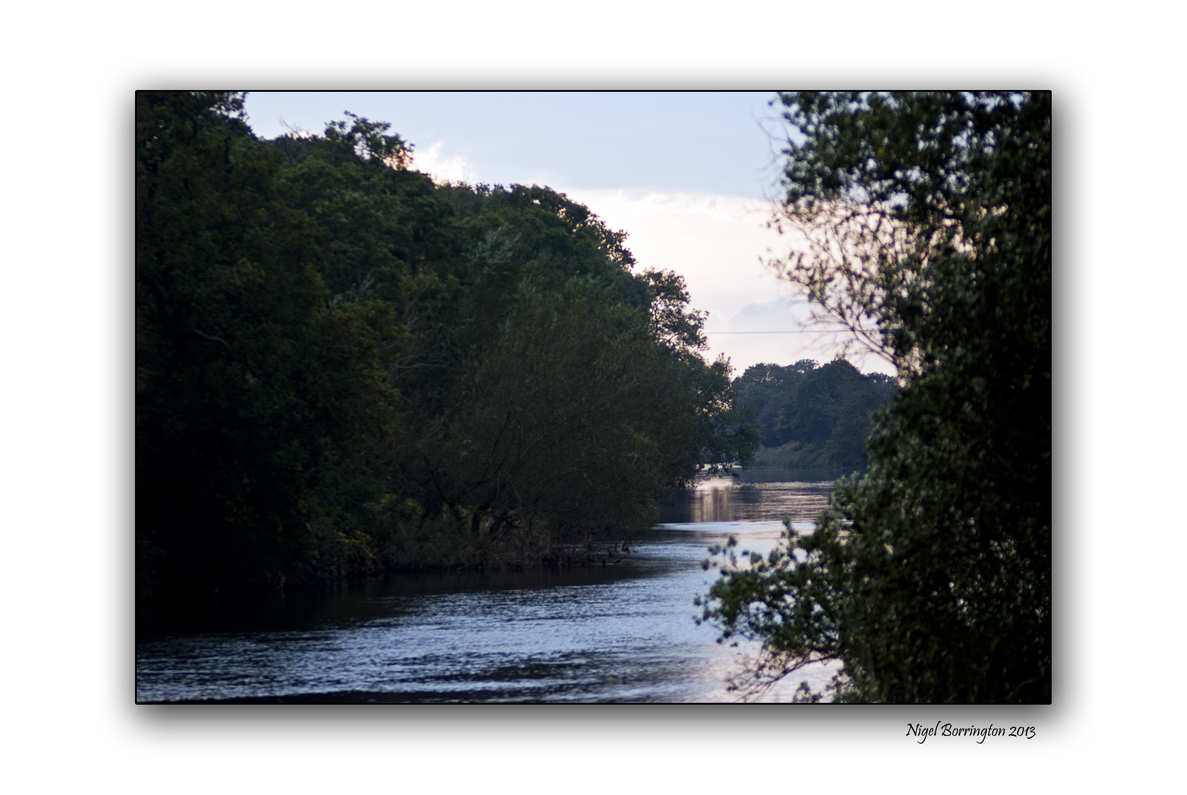
Playfully the rays dance off the shimmering surface of the river,
Another fish jumps from the water,
Sending a concertina of ripples to the riverbank’s shoreline.

Golden waves approach as the setting sun sinks slowly below the horizon,
And small waves lap the side of our boat in an unending regular rhythm.

The repetitive knocking of the fender against the hull takes on the beat of the river,
Tapping the boat and shoreline alike,
It’s constant rhythm disturbed only by the wake of a passing boat or water bird landing on its surface.

Crickets join in with their own percussion as the melody is taken up by the surrounding birdlife,
Each chorus, their evening song as they head along the river bank in search of their nights roost.
Insects buzz over the surface, darting this way and that,
As swallows swoop swiftly, snapping them up in their gaping beaks.

Against the Western horizon a kingfisher dives into calmer waters bathed in a glorious warm orange light.
To the East the night’s first star is born,
It shimmers and shivers into life,
Just as the river serenely falls to sleep.

Peace is coming to the river as the ‘time between times’ –
That suspended few minutes of sunset –
Links all things in this world in a glorious golden moment before darkness descends.

Gradually the river slips into sleep
And the moon begins to rise and perform her dance across the waters glassy surface;
Replacing her brothers golden rays with her own silver ones.

Silver shimmering light bathes all beneath it,
Only disturbed by an occasional fish breaking free of its watery surrounds,
To be touched and blessed by the moonlight,
Before diving back down to the river bed.

The moon arches across the night sky,
Playing with the stars,
Until her brothers warming rays tell her it is once again time to allow the miracle of night and day to exchange places.

a morning by the river bank
.
At first only a thin glowing red streak spreads along the tree line,
But quickly the shades of red are replaced by orange and then yellow,
And as the sun wakes from its nights slumber,
Dawn summons us from sleep,
And the tempo of waves against the boats hull increase with the blaze of activity that is engulfing the river,

And the throbbing beat signals a new day is beginning.