This little Agfa Isolette was my fathers camera and as you can imagine it is very special to me, I would love to take some images with it again so at some point I will post a Gallery.
For now here is one shot taken in the lake district with Breda doing some map reading on the right..
No exposure meter and no auto focus – just pure guess work, I also developed the film myself and it produced an image – Few!
I just got a message from wordpress, to tell me that since I started this blog again about two months ago I have received over 1164 likes and 155 followers.
My love of this little camera continues and I am working on a full review relating to my feelings of it from a photographers point of view. Its one of the most usable cameras I have ever owned.
The great thing is not having a mind.
Feelings: oh, I have those; they govern me.
I have a lord in heaven called the sun, and open for him,
showing him the fire of my own heart,
fire like his presence.
What could such glory be if not a heart?
Oh my brothers and sisters,
were you like me once, long ago,
before you were human?
Did you permit yourselves to open once,
who would never open again?
Because in truth I am speaking now the way you do.
I speak because I am shattered.
The flower’s connection with death has been known for countless centuries. The twin Greek deities Hypnos and Thanatos, were illustrated wearing crowns of poppies and the flowers were considered suitable offerings for the dead in both ancient Greece and Rome.
In other parts of the world, poppies have happier associations, In China, it is believed to be lucky to smell the scent of the flower three times a day and in Turkey, they symbolise the promise of health and peace.
Magical properties have also been attributed to the flower. In ‘A Mid Summer’s Night Dream’, Shakespeare writes ” The juice of it on sleeping eyelids laid will make a man or woman madly dote upon the next live creature that it sees”. Peering into the black centre was a traditional folk remedy for insomnia.
Whilst opium is derived from only one of the hundreds of different varieties of poppy, many poppies have sedative effects on those who consume them and poppies are sometimes inscribed on gravestones to symbolise eternal rest. In the popular film, The Wizard of Oz, a poppy field was depicted as dangerous as it caused all those who passed through it to fall asleep forever. Such are the properties of this plant that foods rich in culinary poppy seeds can even result in the failing of an opiate drug test and the sale of poppy seeds is banned in several countries.
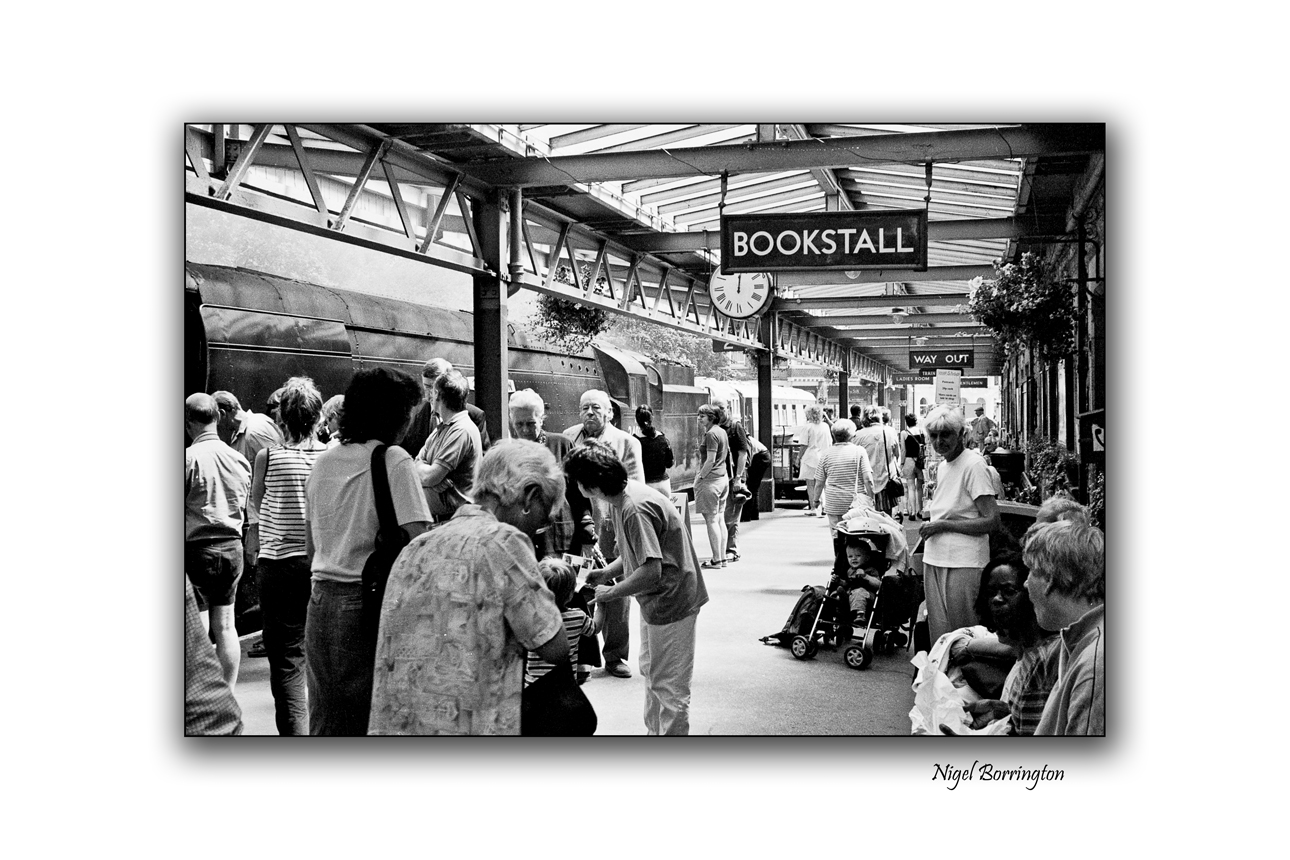
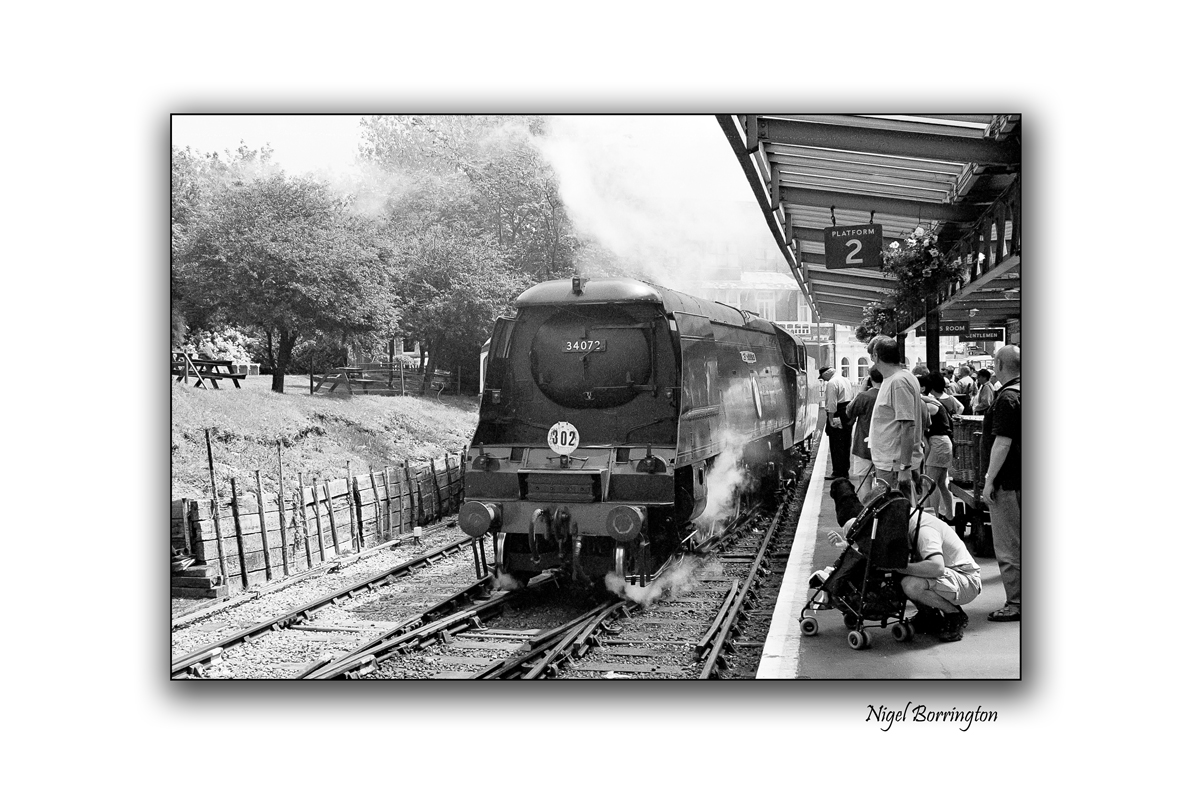
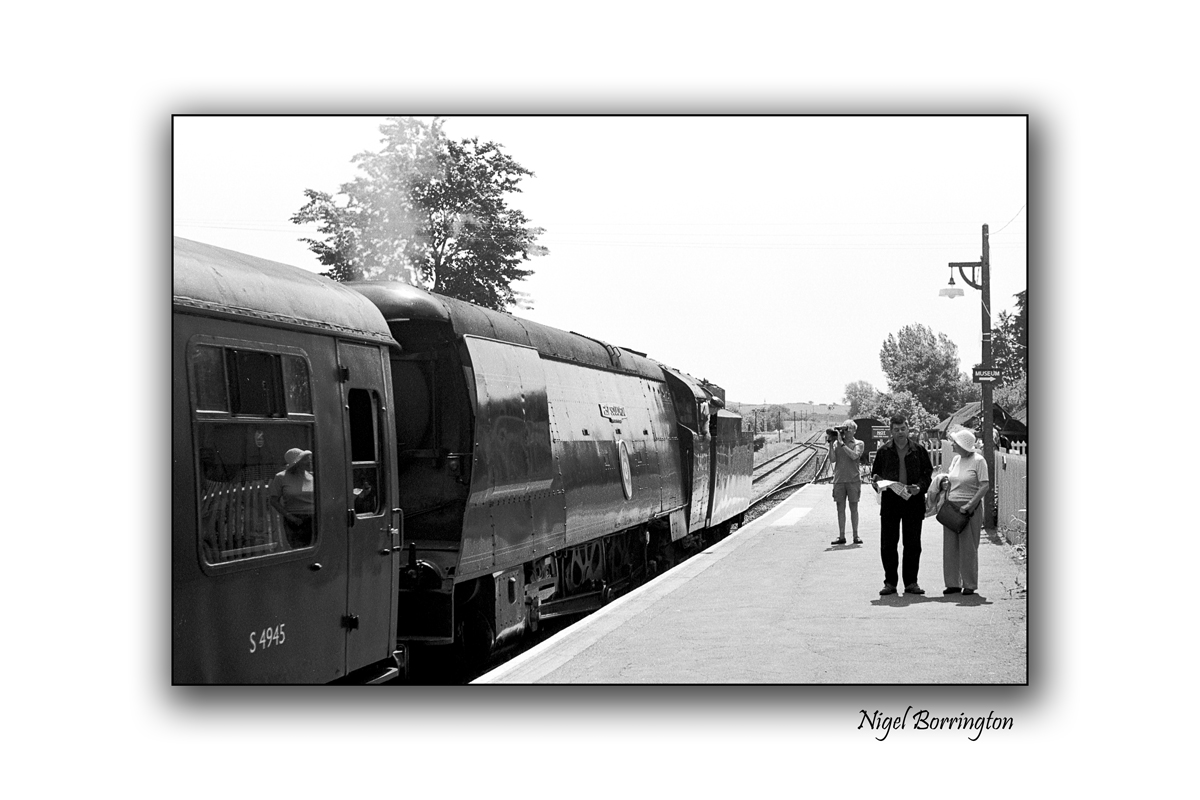
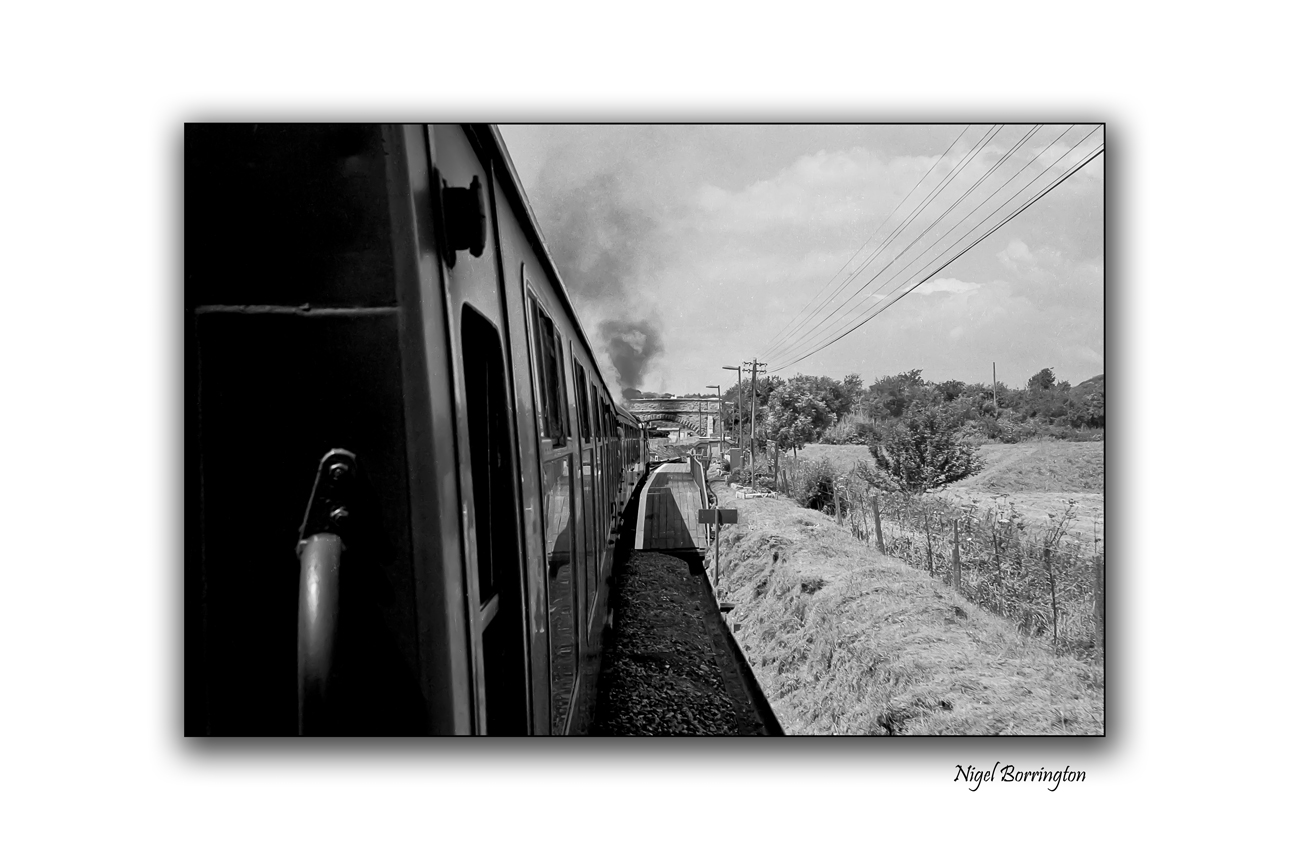
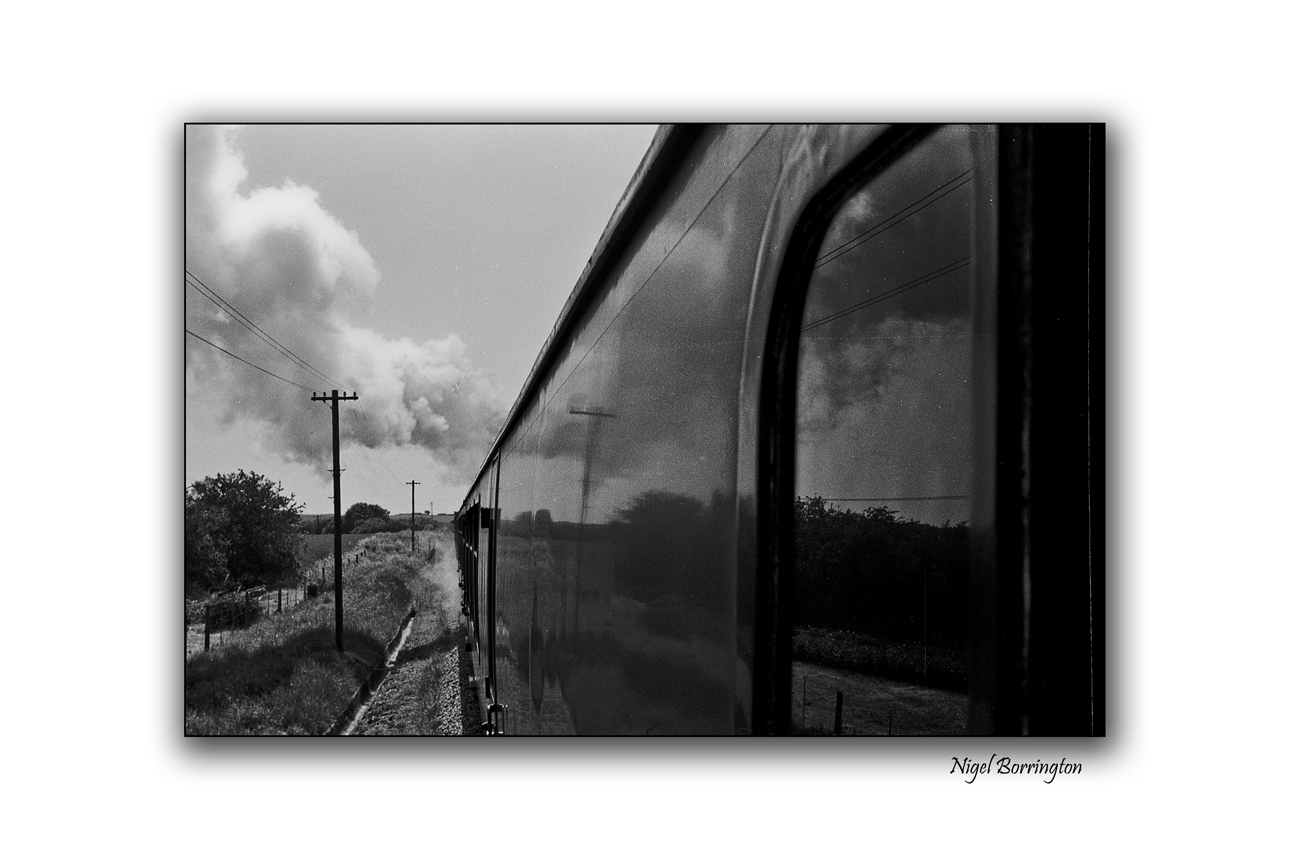
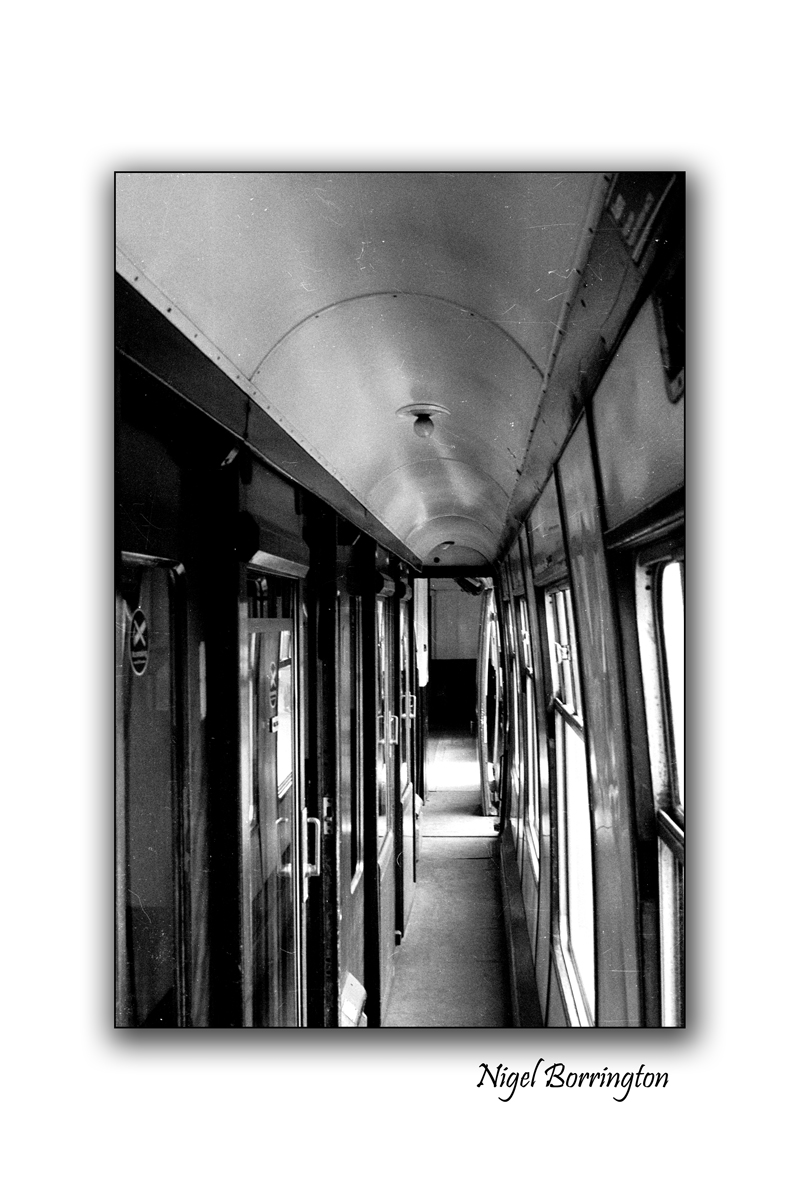
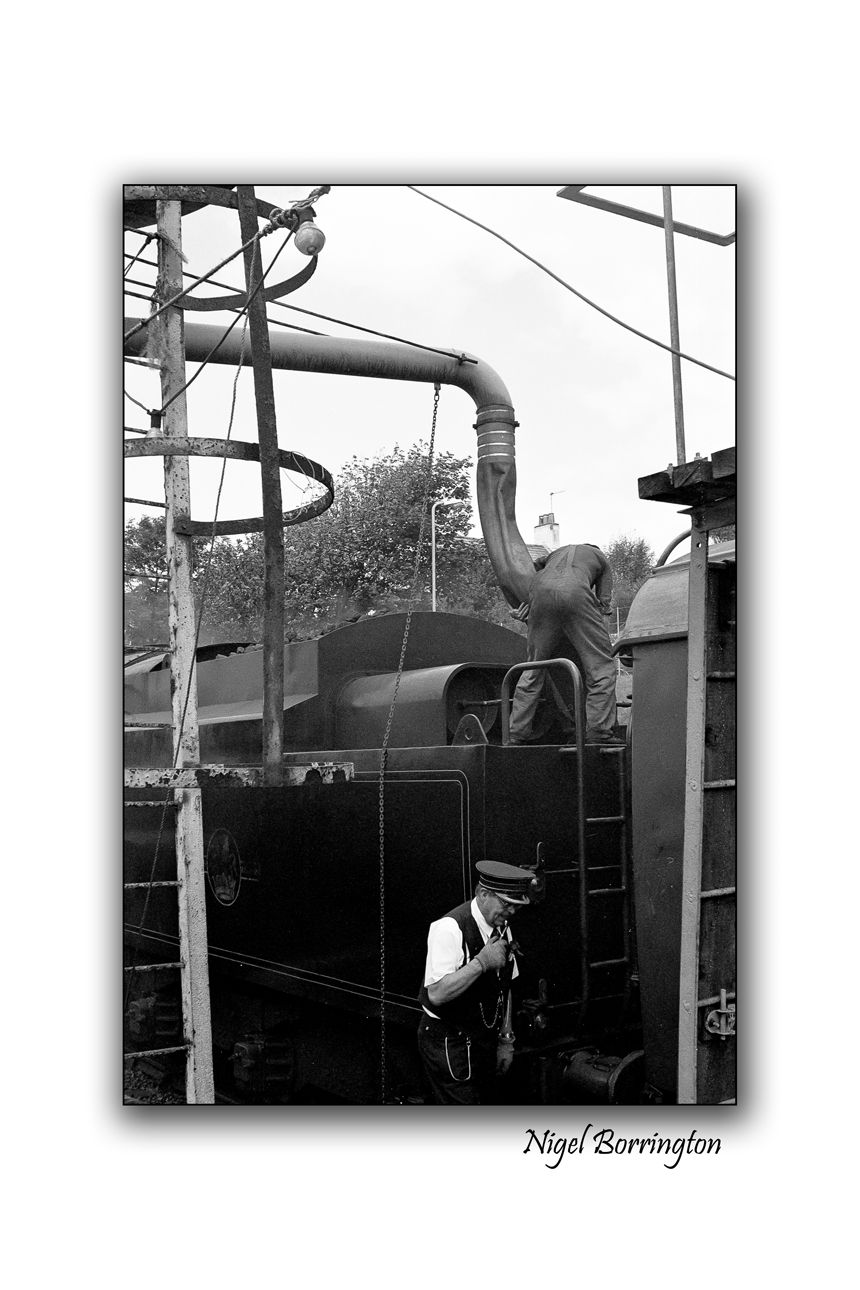
These images were taken during a visit to the (Swanage railway, Dorset, uk) on the south coast of England. We were staying in poole and had been guided toward visiting the Swanage Railway, so one warm Sunday morning we arrived at Swanage station in order to get the ten o’clock train to Norden park and back.
From the moment we collected our tickets and walked to the platform for the train it felt like going back in time to the nineteen thirties.
Every part of the station was setup to make you feel you had returned to times gone by. Old cases and trolleys, bookshops and tea shops with every member of staff dressed to complete the feeling.
When we took our seats on the train and then got on our way the sounds and smells of the old steam engine were just brilliant. For some of these images I stuck my head out of the window and the rush of fresh air and steam as we passed the fields along the way was just unforgettable.
If you are ever in this part of the world you simply must visit this railway as you will enjoy the experience of a lifetime.
I include below some Wikipedia text and some more you tube links
The Swanage Railway is a 6-mile (9.7 km) long heritage railway in the Purbeck district of Dorset, England. The railway line currently follows the route of the old Purbeck branch line from Norden, via Corfe Castle, Harman’s Cross and Herston Halt to Swanage.
The line was re−connected to the mainline at Wareham, Dorset, along a stretch of the branch line that had previously only remained open to freight traffic until 2005. Trains operate on the Swanage Railway between Swanage and Norden Park & Ride every weekend and Bank Holiday from mid-February to the end of the year, and every day of the week from April to October; with Santa Special services in December.
The link between the Swanage Railway and the main line at Wareham has been used for materials deliveries, special excursions, locomotive and stock movements only— work is continuing to provide the infrastructure necessary to enable regular services via Wareham to be implemented.
In April 2009 the line reopened to its first through traffic from London with occasional special services.
History
After several false starts, the branch was built by the locally promoted Swanage Railway Company. It was opened in 1885 and operated from the start by the London and South Western Railway Company. Subsequently the line became part of the Southern Railway and latterly the Southern Region of British Railways. In the 1950s the Branchline Committee identified this branch line as a possible candidate for closure. At the time such a plan was unrealistic for a branch line which carried so much seasonal holiday traffic. The closure proposal met with a great deal of opposition and was shelved. The line was not mentioned in Beeching’s 1963 report ‘The Reshaping of British Railways’.
In the mid 1960s a programme of third rail electrification took place on the main line running from Waterloo, Basingstoke, Southampton to Bournemouth in preparation for withdrawal of steam. As the third rail did not, then, extend west of Branksome the Swanage line was operated until its closure using a British Rail Class 205 DEMU.
In May 1967 the Network for Development Plans were issued by Barbara Castle MP, the then Labour Minister of Transport following a study. Where lines were at the remunerative end of the scale, such as the main trunk routes and some secondary lines, these would be developed. Lines that failed to meet the financial criterion, but served a social need were to be retained and subsidised under the 1968 Transport Act. The problem would be for lines that were not in these categories which could be candidates for closure as they did not form part of the basic railway network. The Swanage line was one of these. It was a line that may well have carried considerable traffic, and perhaps made a small profit, but it did not meet the Government’s social, economic and commercial criteria for retention.
It was in the later part of 1967 that British Railways issued a notice that the Swanage line was to be closed by September 1968. However, due in part to the level of opposition to the closure, and also by the fact that British Railways had underestimated the logistical problems in providing a replacement bus service during the summer months owing to higher traffic levels, the line remained open. Opposition from the various pressure groups was so vociferous that a public enquiry was called for. Subsequently a Department of the Environment Inspector, after hearing the evidence that a replacement bus service would be unable to handle the traffic in the summer months, ruled that the line should remain open. His decision was later overturned by the Secretary of State for the Environment. Up to this time it is possible that the line may have been in receipt of a subsidy under the terms of the 1968 Transport Act whilst all the issues concerning the pending closure of the line were discussed.
The line was closed in January 1972. In May 1972, the Swanage Railway Society was formed with the objective of restoring an all-the-year-round community railway service linking to the main line at Wareham which would be ‘subsidised’ by the operation of steam-hauled heritage trains during the holidays.
However BR responded by hiring contractors to lift the track between Swanage and Furzebrook sidings during the summer of 1972; massive protests were orchestrated by the Society and an agreement between the Society and BR followed leading to all the ballast being left in situ plus an extra half a mile of track at Furzebrook. The track from Furzebrook to the main line junction at Worgret remained in use for ball clay traffic, later also serving the oilfield at Wytch Farm. BR had intended to sell the Swanage station site to a property developer, but after the intervention of the Evelyn King, the MP for South Dorset, at the Society’s request, offered it to Swanage Town Council (STC).
At first, neither the Dorset County Council (DCC), nor the STC backed the Society’s plans to restore the railway. DCC planned to build a by-pass for Corfe Castle on the railway land, while STC actually started to demolish Swanage station. To break the impasse, the Railway Society formed two daughter organisations: the Swanage and Wareham Railway Group – composed of local residents prepared to lobby the local authorities and the Southern Steam Group – to collect historic railway rolling stock and establish a museum of steam and railway technology. After many interventions by local residents, in 1975, the STC finally granted the Society limited facilities on the Swanage station site. In 1975 DCC acquired the railway land between the end of the line at Furzebrook and Northbrook Road bridge, Swanage and to ‘give further consideration’ to routes for a Corfe By-pass. The Railway Society piloted a successful application by the Southern Steam Group to the Charity Commissioners for charitable status and subsequently both the Society and the residents group joined the new Southern Steam Trust.
In 1979 a short line re-opened, the length of King George’s playing fields. This was extended first to Herston Halt and then to Harman’s Cross in 1988. Neither Herston Halt nor Harman’s Cross had been stations previously. In 1995 the railway reopened from Swanage to Corfe Castle and Norden Park and Ride, another post BR station. The opening of Corfe Castle was delayed until Norden was ready as Dorset County Council had concerns about the effects of traffic on Corfe’s narrow main street (the A351 road between Wareham and Swanage).
On 3 January 2002 the track was temporarily joined with the Furzebrook freight line at Motala and the Purbeck branch line was once again complete, thirty years to the day after it was closed.
On 8 September 2002, a brand new Virgin Trains Class 220 “Voyager” diesel multiple unit, no. 220018, became the first mainline train to use the new track when it made a special journey for a ceremony at Swanage where it was named Dorset Voyager and began its first passenger journey.[2] Following this historic event, the efforts of the Swanage Railway’s volunteers were redoubled working with Network Rail to replace the temporary connection with a permanent ground frame and catch-point arrangement at Motala.
On 10 May 2007 history was made when the Swanage Railway’s permanent connection with Network Rail was used for the first time – four ex-BR diesel locomotives running from Eastleigh down to Swanage to participate in the Purbeck Line’s largest ever diesel gala and beer festival in May 2007. Also making the trip—the first such working since the summer of 1972 when the tracks to Corfe Castle and Swanage were lifted—was a preserved four-carriage electric 4VEP British Rail Class 423 unit provided by South West Trains.[3]
The link was again used in July 2007 when a steam locomotive for the Swanage Railway’s 40th Anniversary of the End of Southern Steam special event travelled to Swanage via the main line at Wareham.
The first public passenger service between Wareham and Swanage since 1972 was from London Victoria to Swanage, via Wareham on 1 April 2009.
The Swanage Railway’s works at Herston, on the outskirts of Swanage, are not physically connected to the running line. Movements of locomotives for overhaul are carried out by road transporter as the Swanage Railway has been unable to reach agreement with local landowners to build a branch connection into Herston Works.
Throughout the nineteenth century the little dock was packed with ships and the harbourside sheds and warehouses thronged with complementary businesses: boatbuilding, ropemaking, brickworks, lime burning, net houses, bark houses and pilchard curing.
Today there are two remarkable things about Charlestown.
One is that, against all the odds, it has survived as a working port and a small amount of china clay is still exported in an average of 30-40 ships a year, and this saves the place from becoming a cosy caricature of itself with plenty of ‘heritage appeal’ but no real life.
The second is that – again, against all the odds – it has largely escaped ‘development’ and remains one of the finest and most fascinating places on the Cornish coast.
Perhaps the words “so far” should be added to these two observations, for who knows what will happen to Charlestown in the future?
At the time of writing, the harbour is the home port for a famous collection of old ships which are employed in film projects all over the world – they have brought work and life to the quays and harbour buildings and are a particular draw for visitors.”
I spent a week here and its a week I will never forget, I was working in London at the time and returned to my Job like a new person – this is a very special place!!
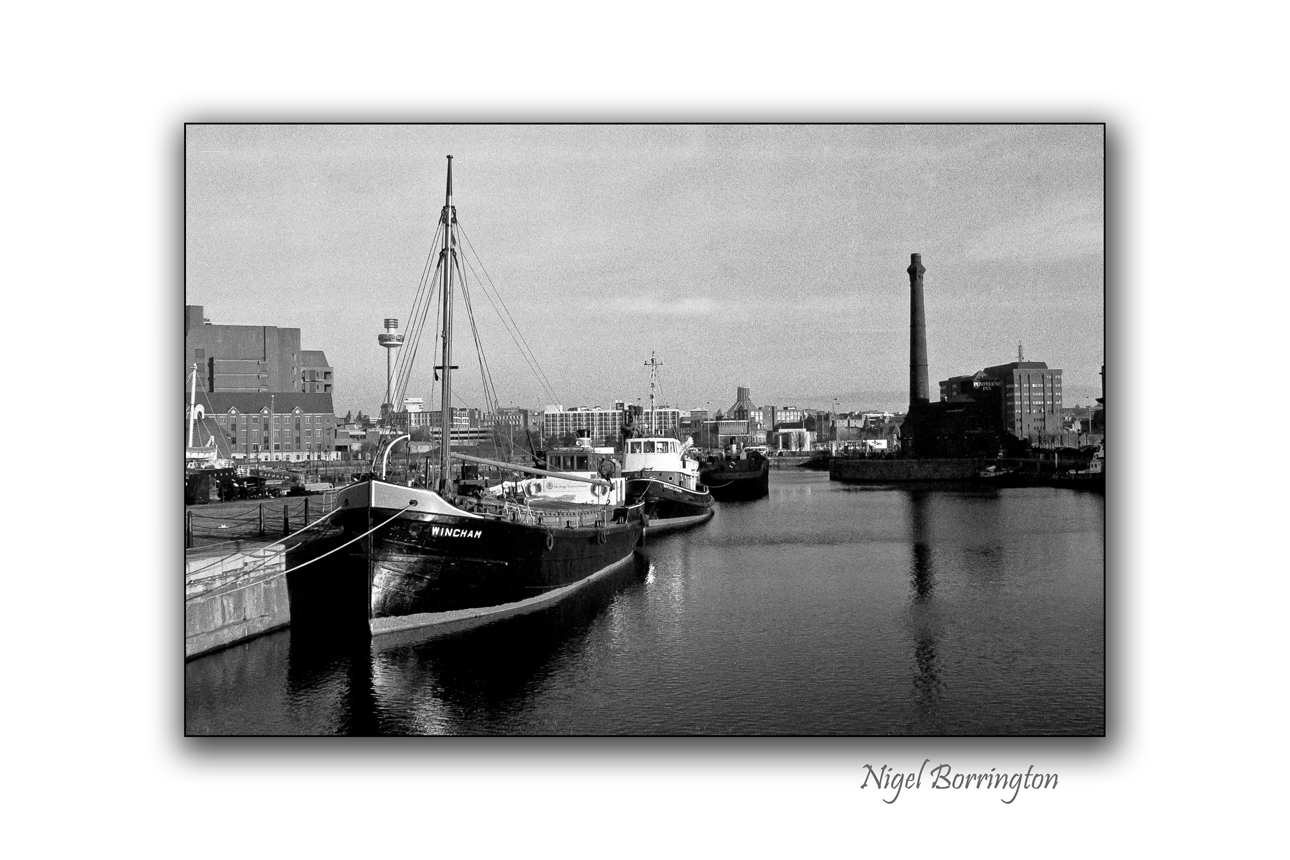
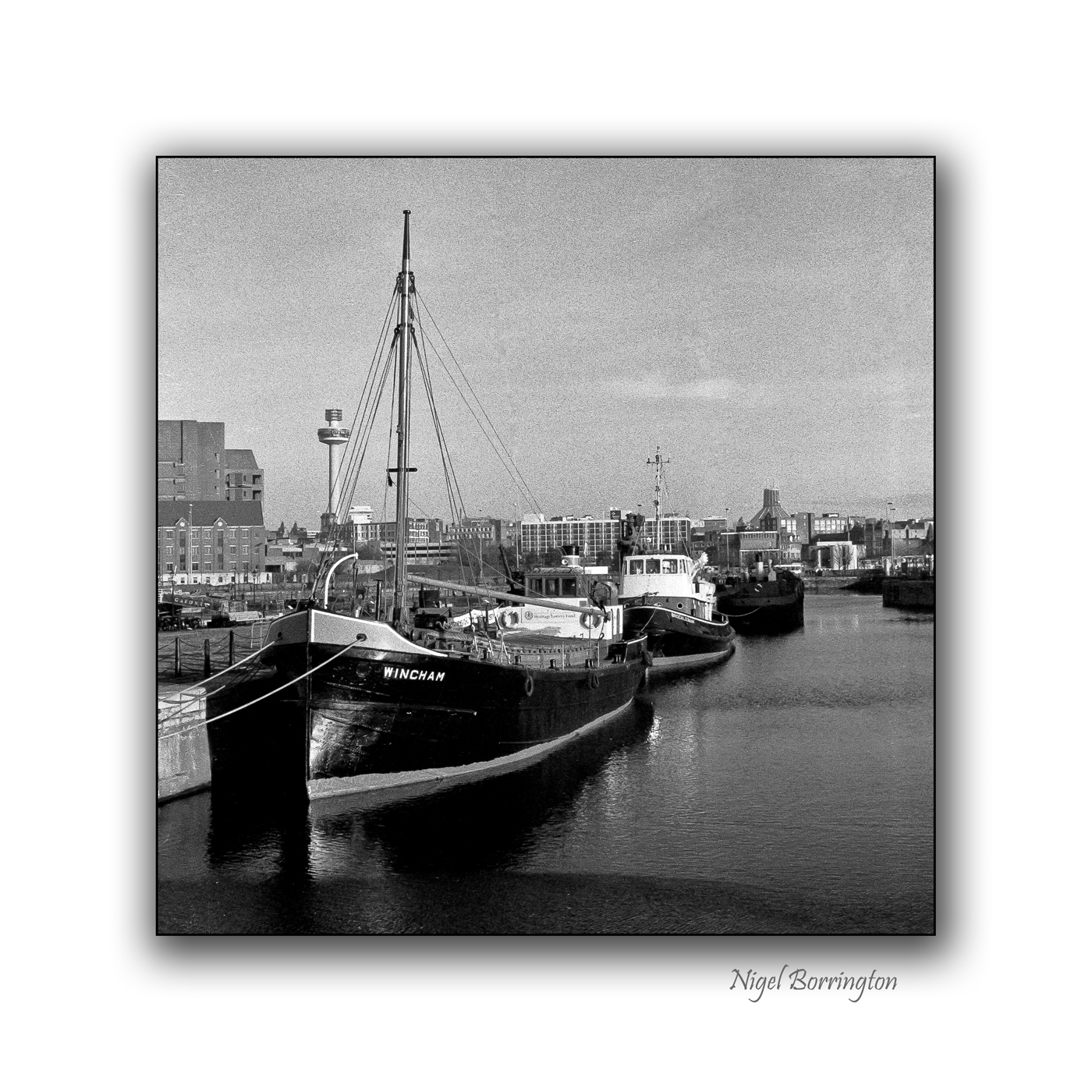
Some years ago and longer than I can remember, I was in Liverpool and took this shot of the Wincham at the then new Albert docks.
Wincham’s history
Built in 1948 by Yarwoods of Northwich for ICI Liverpool, WINCHAM is a small motor cargo vessel designed to carry goods in bulk on the west coast of England. She is made of riveted steel, has a diesel engine and is the last of a class of 5 vessels built for ICI. Her working week would encompass 2 or 3 trips with chemical products from the ICI works at Winnington on the River Weaver to Liverpool and Birkenhead for transfer to deep sea vessels.
In 1977, she was sold to Bulk Cargo Handling Services Limited whose colours she still carries. In 1983 she was withdrawn from commercial service and purchased by the Wincham Preservation Society Ltd who maintain and operate her from her berth at Canning Dock alongside the Merseyside Maritime Museum. The Society received a grant of £47,500 from the Heritage Lottery Fund in 2002 and she is maintained in operating condition.
The former ICI Weaver barge Wincham (built 1948) seen about to be broken up on the slipway at Bromborough 17/04/09. She was part of the Mersey maritime collection and based in Albert dock Liverpool but costly repairs meant her original owners took the decision to let her go for scrap… a disgrace.








 Nigel Borrington
Thank you
I just got a message from wordpress, to tell me that since I started this blog again about two months ago I have received over 1164 likes and 155 followers.
So I wanted to say thank you!!
Nigel
Share this:
Posted by nigel borrington | April 3, 2013 | Categories: Comment | 13 Comments